



There is a reason our grandmothers never started Lakshmi Puja without checking every single item twice. In the Vedic tradition, each element of the pooja samagri carries a purpose — it is not just a ritual supply, it is an offering with meaning. The kumkum represents shakti, the chandan brings divine coolness, the diya removes darkness, and the camphor symbolises the dissolution of ego before the divine.
If even one essential item is missing during Diwali Lakshmi Puja, the flow of the ritual breaks. And in a festival as auspicious as Diwali — when we invite Goddess Lakshmi into our homes — that completeness matters.
This guide gives you a complete Diwali pooja samagri checklist, explained with its spiritual significance, so your puja is not just performed but truly sampann (fulfilled).
Why Lakshmi Puja on Diwali Holds Special Significance
Diwali falls on Amavasya — the darkest night of Kartik month. According to the Skanda Purana and Padma Purana, this is the night when Goddess Lakshmi roams the earth looking for homes that are clean, lit, and filled with devotion. Lakshmi Puja on this night is not just tradition — it is a sacred invitation.
The puja is performed during Pradosh Kaal (the time after sunset and before midnight), ideally during the Sthir Lagna (fixed zodiac sign — Vrishabha/Taurus), which is considered most auspicious for invoking wealth and stability. The muhurat changes every year, so always check the Panchang for the exact timing.
When the samagri is complete, the mantras are chanted with focus, and the diya burns steady — that is when the puja becomes more than a ritual. It becomes a moment of connection.

Lakshmi Puja Essential
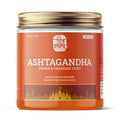
Ashtagandha Powder — Sacred 8-Herb Tilak
With Kesar & Chandan • 75g • For Tilak, Puja & Hawan
Complete Diwali Lakshmi Puja Samagri List
Here is everything you need, organised by category. Keep this list handy while preparing — it will save you the last-minute temple shop run on Diwali evening.
1. Tilak, Chandan & Ashtagandha
Tilak is the first offering in most Vedic pujas. It is applied on the idol, the kalash, and the devotee’s forehead as a mark of devotion.
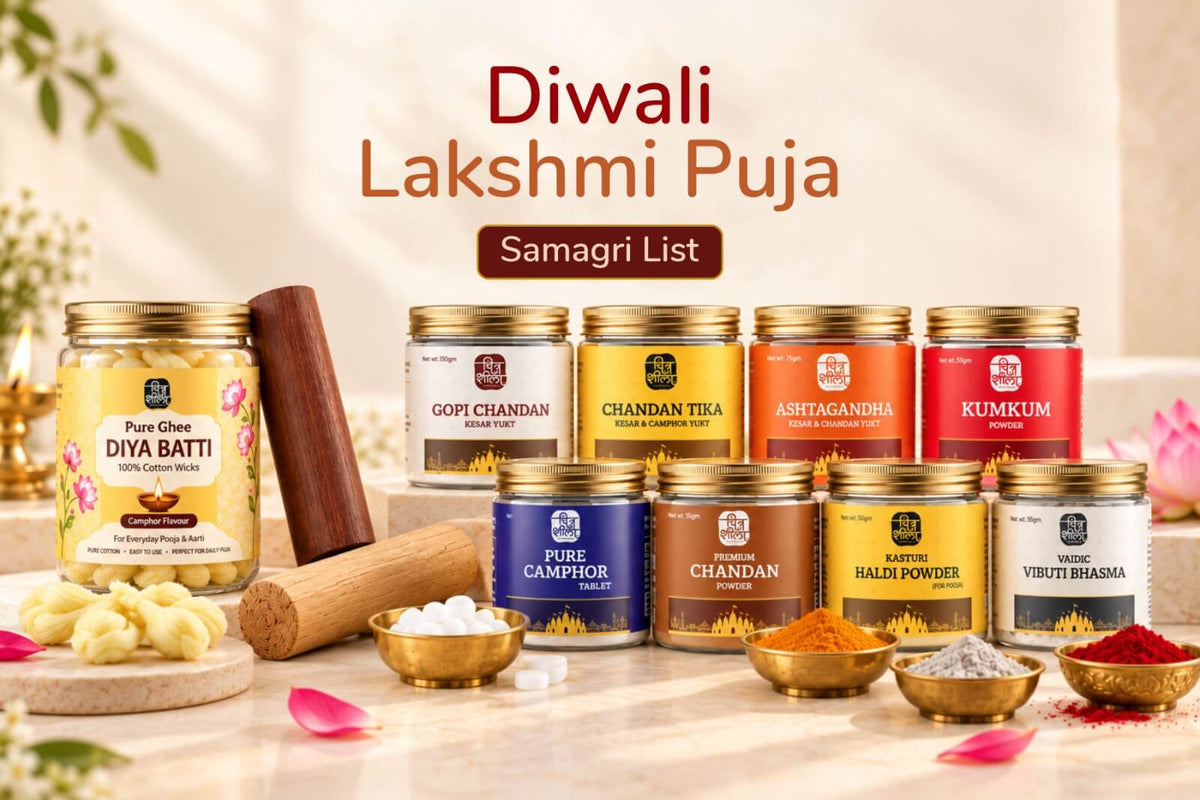
• Pure Chandan Powder — for tilak on Lakshmi idol and devotees. Chandan has a natural cooling property and is considered sacred in all forms of worship.
• Ashtagandha Powder — a blend of eight sacred herbs including kesar, chandan, and kapoor. In many households, ashtagandha is the preferred tilak for Lakshmi Puja because it combines multiple offerings in one.
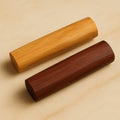
• Red Sandalwood Stick (Rakta Chandan) — rubbed on a stone with water to make a paste. Used for drawing sacred symbols on the puja thali and kalash.
2. Kumkum & Haldi
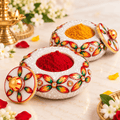
Kumkum is the mark of Devi — it represents her shakti and is offered on the feet of the Lakshmi idol. Haldi (turmeric) is both purifying and auspicious, used to anoint the kalash and the puja area.
• Pure Kumkum Powder — made from turmeric, this sacred red powder is essential for every Devi puja.
• Kasturi Haldi — a fragrant variety of turmeric, considered more sacred than regular haldi for puja use.
3. Diya, Batti & Camphor (Aarti Essentials)
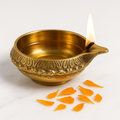
The diya is the heart of Diwali. A steady flame in a brass diya represents the presence of the divine. The aarti performed with camphor is the climax of the puja — it is the moment when the devotee offers everything, and the camphor burns without leaving any residue, just as the ego should dissolve before God.
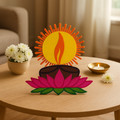
• Brass Kuber Diya — traditionally used for Lakshmi Puja. Kuber is the treasurer of the gods, and lighting a Kuber diya during Lakshmi Puja is a symbol of welcoming both wealth and its keeper.
• Brass Tulsi Diya — tulsi is sacred to Vishnu and Lakshmi both. A beautiful addition to the puja thali.
• Ghee Diya Batti — ready-to-light cotton wicks soaked in pure ghee. Ghee diyas are preferred in Vedic rituals because ghee is considered the purest fuel for a sacred flame.
• Bhimseni Camphor — the purest form of camphor, burns clean without residue. Used for aarti and to purify the puja space.
• Camphor Tablets — convenient for daily aarti and havan. Keep a pack ready for the five days of Diwali.
🚩 Diwali Pooja Samagri — Pure & Sacred


Swipe to view more →
4. Rangoli & Entrance Decoration
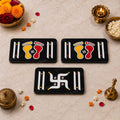
Rangoli at the entrance is not just decoration — it is a traditional way of welcoming Lakshmi. The patterns, especially Lakshmi Charan (footprints of Lakshmi), are drawn pointing inward to symbolise the goddess entering your home.
• Lakshmi Charan Paduka Stencil — a reusable wooden stencil to create perfect Lakshmi footprints at your door. One of the most meaningful Diwali decorations.
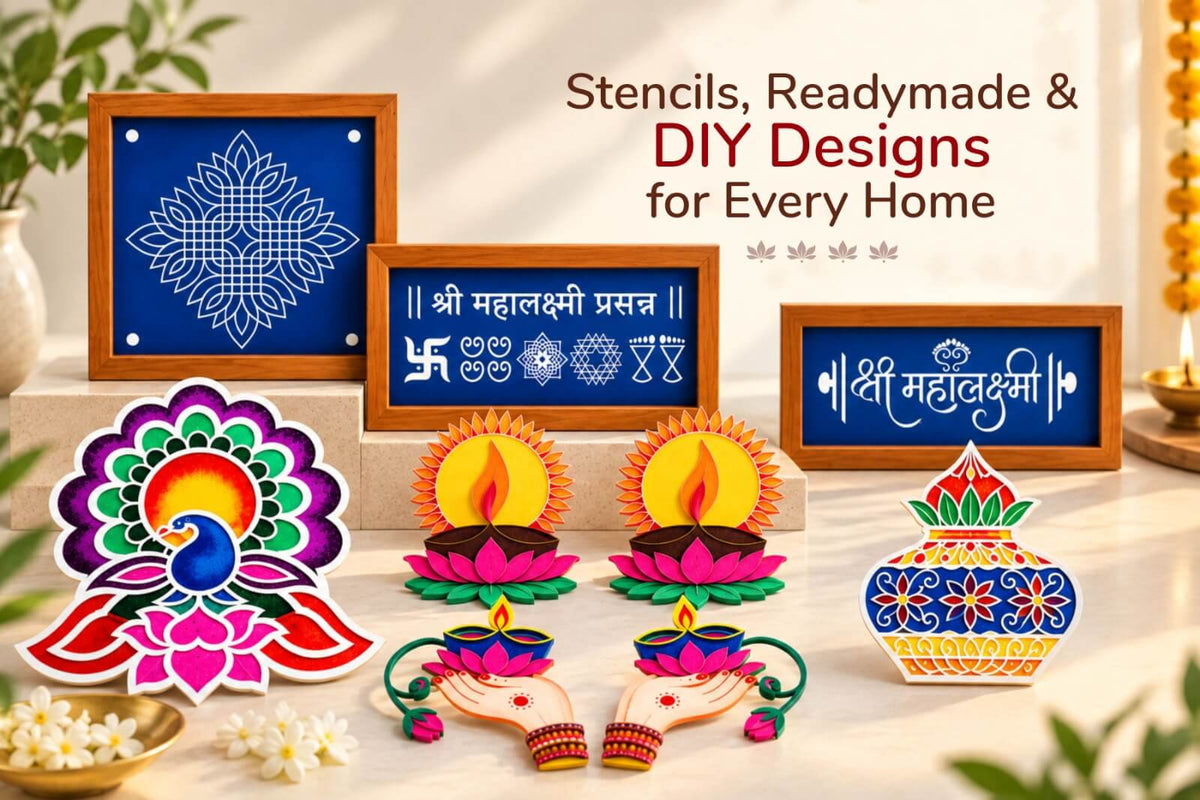
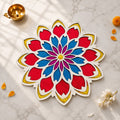
• Diwali Rangoli Stencils — Om, Swastik, Diya, Mandala and more designs. Just place, fill with colour, and lift.
• Rangoli Colour Powder — vibrant colours for filling stencils or creating freehand rangoli.
5. Other Essential Pooja Items
These are the items that complete the puja setup. Most of these are available at your local market or temple shop — we have listed them so nothing is missed.
• Kalash (brass or copper) with mango leaves and coconut
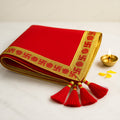
• Red cloth (mooli vastra) for the puja chowki
• Pooja Aasan — a clean seat for the puja area
• Akshata (whole rice grains, unbroken) — mixed with haldi
• Supari (betel nut) and Paan (betel leaves) — 5 pieces each
• Coconut (with husk, for the kalash)
• Flowers — lotus is most auspicious for Lakshmi; marigold and rose also work
• Dhoop, Agarbatti (incense) — for creating a fragrant sacred atmosphere
• Mishri or Prasad — sweets, dry fruits, or kheer to offer
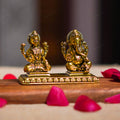
• Ganesh idol or image — Lakshmi Puja always begins with Ganesh Puja first
• Lakshmi idol or image — placed on a red cloth on the chowki
• Coins and currency notes — placed near the idol, to be blessed during puja

Diwali Entrance Must-Have
Lakshmi Charan Paduka — Wooden Rangoli Stencil
Draw Lakshmi’s footprints at your door • 5×5 inch • Reusable
How to Perform Diwali Lakshmi Puja — Brief Vidhi
The full Lakshmi Puja vidhi can be elaborate, but here is the essential sequence that most families follow. Even if you do not know all the Sanskrit mantras, performing these steps with sincerity and devotion is what matters.
Step 1 — Preparation: Clean the puja area. Spread a red cloth on the chowki. Place the Lakshmi idol (and Ganesh idol to her right). Arrange the kalash with mango leaves and coconut. Light the diya.
Step 2 — Ganesh Puja: Always begin with Ganesh. Apply chandan tilak, offer flowers, rice (akshata), and a modak or laddoo. Chant "Om Gan Ganapataye Namah" 11 times.
Step 3 — Lakshmi Puja: Apply ashtagandha or chandan tilak on the idol. Offer kumkum at the feet. Offer lotus or marigold flowers. Place coins near the idol. Chant "Om Shreem Mahalakshmiyei Namah" 108 times (or as many as feels right).
Step 4 — Aarti: Light Bhimseni camphor on the aarti diya. Perform aarti while chanting "Om Jai Lakshmi Mata". Move the diya in a clockwise circle before the idol.
Step 5 — Prasad: Offer mishri, dry fruits, or kheer. Distribute prasad to family. Light diyas throughout the house.
Tips for a Meaningful Diwali Puja
Prepare a day before. Collect all the samagri on Dhanteras or a day earlier. Diwali evening is for devotion, not for running around searching for camphor or kumkum.
Involve the whole family. Let children help with the rangoli, elders lead the aarti, and everyone participate in the chanting. Lakshmi Puja is a family puja — its power multiplies with shared devotion.
Quality matters more than quantity. A small brass diya with pure ghee is better than ten plastic ones. Pure Bhimseni camphor that burns clean is better than a pack of synthetic camphor that leaves black residue. The purity of your offerings reflects the sincerity of your prayer.
Light diyas in every room. After the main puja, place lit diyas at the entrance, in the kitchen, near the tulsi plant, and in each room. This is the tradition of driving out darkness — literally and spiritually.
Draw Lakshmi Charan at the entrance. Use a Lakshmi Charan stencil or draw them by hand, pointing inward. This centuries-old tradition symbolises inviting Goddess Lakshmi into your home.
Keep the puja area clean for all five days. Diwali is not one night — it spans from Dhanteras to Bhai Dooj. Keep the puja thali ready and the diya lit each evening.

Diwali Pooja Collection
Complete Pooja Samagri — Chandan, Kumkum, Camphor & More
Pure & Sacred • Free Shipping ₹399+ • COD Available
Diwali Pooja Samagri Quick Checklist
Print this or screenshot it for your reference:
☑ Chandan Powder or Ashtagandha (for tilak)
☑ Kumkum (for Lakshmi’s feet)
☑ Kasturi Haldi (for kalash & akshata)
☑ Brass Diya — Kuber Diya or Tulsi Diya
☑ Ghee Diya Batti (ready-to-light wicks)
☑ Bhimseni Camphor (for aarti)
☑ Camphor Tablets (for havan)
☑ Rangoli Stencil + Colour Powder
☑ Kalash, coconut, mango leaves
☑ Red cloth for chowki
☑ Akshata (haldi rice), supari, paan, flowers
☑ Ganesh & Lakshmi idol or image
☑ Agarbatti, dhoop, incense
☑ Prasad — mishri, dry fruits, or kheer
☑ Coins/currency notes for blessing
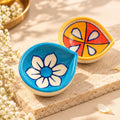
🪩 Diwali Diya & Decor Essentials


Swipe to view more →