

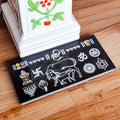
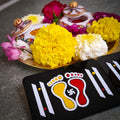
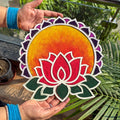
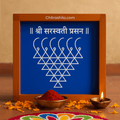



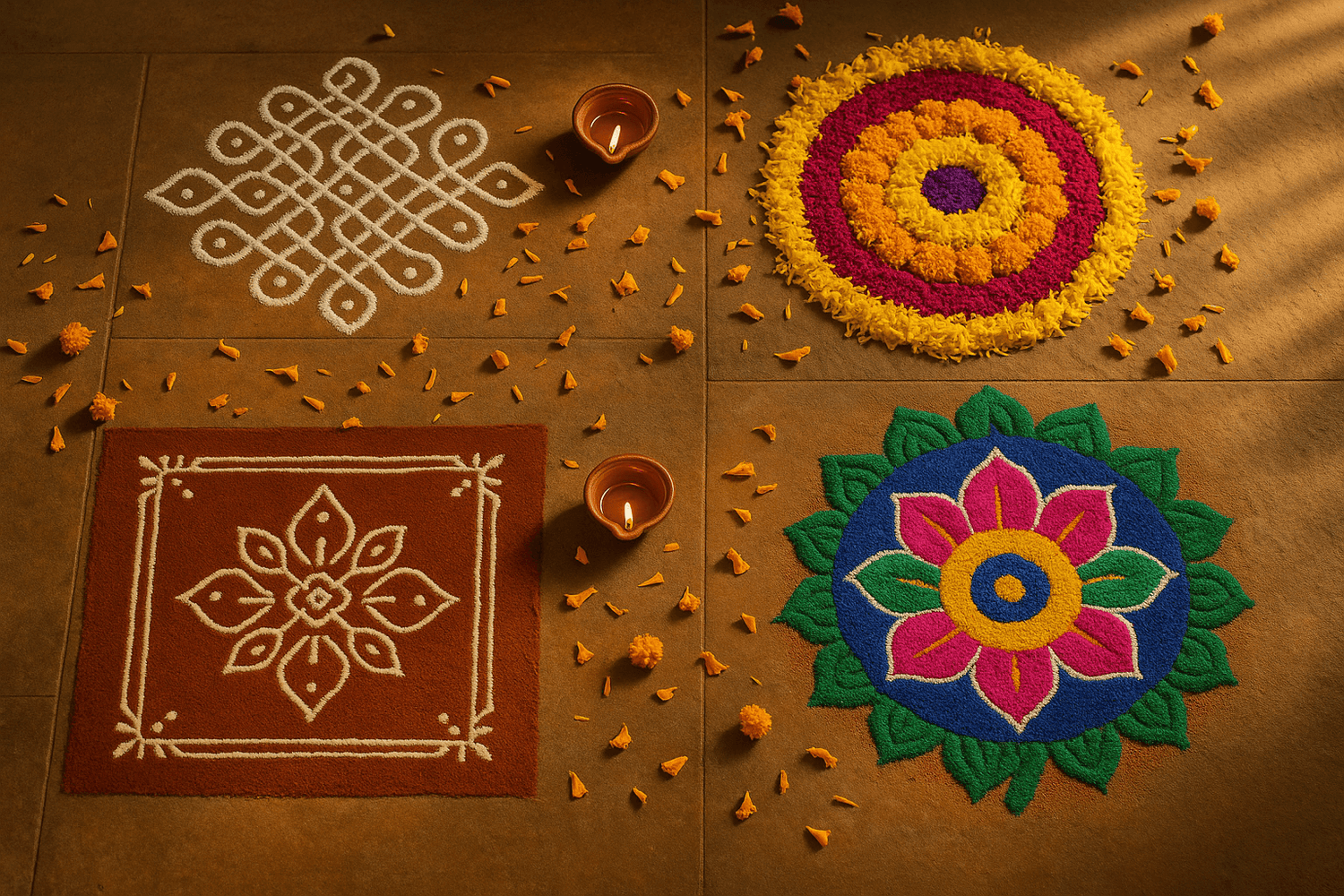
Across India, the art of Rangoli glows at every doorstep - drawn not just with colours, but with culture, prayers, and love.
Each region names it differently - Kolam in Tamil Nadu, Mandana in Rajasthan, Alpana in Bengal - yet every form carries the same essence:
Welcoming prosperity, celebrating beauty, and honoring divinity.
Let’s journey through India, one state at a time, to explore how this sacred art changes in style but never in spirit.
| State / Region | Local Name | Type of Rangoli Drawn | Materials Used | Festivals & Occasions |
|---|---|---|---|---|
| Maharashtra | Rangoli | Freehand geometric & floral patterns | Fine coloured powder, rice flour, limestone | Diwali, Gudi Padwa, daily décor |
| Tamil Nadu | Kolam | Dot-grid line designs (pulli kolam) | White rice flour, chalk | Daily ritual, Pongal |
| Andhra Pradesh / Telangana | Muggu / Muggulu | Colour-filled geometric rangolis | Chalk outlines, colour powders | Sankranti, weddings |
| Karnataka | Rangoli / Muggulu | Floral and conch motifs | Rice flour, natural pigments | Ugadi, Deepavali |
| Kerala | Pookkalam | Circular flower-petal rangoli | Flower petals, leaves | Onam, temple events |
| Gujarat | Sathiya / Mandana | Swastik & peacock motifs | Rice paste, coloured sand | Navratri, Diwali |
| Rajasthan | Mandana | Tribal & geometric forms | White lime on red-oxide floor | Diwali, Gangaur |
| Madhya Pradesh | Chowk / Mandana | Sun & peacock motifs | White chalk on clay floor | Holi, Diwali |
| Uttar Pradesh | Chowk-Purna | Rectangular sacred patterns | Red earth base, rice paste | Navratri, marriages |
| Uttarakhand | Aipan | Dotted deity symbols | White rice paste on red clay | Rituals, births, Navratri |
| Bihar | Aripana | Circular yantra designs | Ground rice paste | Chhath Puja, harvest |
| West Bengal | Alpana | Circular cosmic motifs | Rice paste, chalk | Durga Puja, Lakshmi Puja |
| Odisha | Jhoti / Chita | Freehand lotus & vine forms | Rice paste, drawn by fingers | Raja festival, Diwali |
| Assam | Alpana / Kolam | Minimal floral outlines | Rice paste, chalk | Bihu, pujas |
| Manipur | Tanchap | Circular spiritual diagrams | Powdered limestone | Lai Haraoba |
| Tripura | Alpana | Deity & circular motifs | White/red rice paste | Durga Puja |
| Meghalaya | Floral Décor | Petal & leaf arrangements | Flowers & leaves | Harvest & Christmas |
| Punjab / Haryana / HP | Chowk-Purna | Swastik & diya symbols | Rice paste, chalk | Diwali, Baisakhi |
| Goa | Rangavalli | Circular rangoli with shells | Bright powder, rice, diyas | Diwali, Tulsi Vivah |
| Sikkim & North-East Hills | Mandala-style Rangoli | Lotus & circle patterns | Coloured sand, petals | Diwali, Losar |
 A Journey Through Patterns and Faith
From the Kolams of Tamil Nadu that nurture tiny life to the Pookkalams of Kerala that bloom in concentric beauty - every region expresses its devotion through form and colour.
In Rajasthan and Madhya Pradesh, tribal women draw Mandana on red mud floors; in Bengal and Bihar, Alpana and Aripana turn rice paste into sacred geometry.
And in Maharashtra, Rangoli remains the everyday prayer drawn with fingertips - welcoming light and prosperity at every threshold.
What All Rangolis Share
Despite their diversity, every Rangoli across India symbolizes:
-
Purity: made with natural or auspicious materials.
-
Positivity: drawn at sunrise or before festivals to invite good energy.
-
Artistry: passed down through generations, mostly from mothers to daughters.
-
Spiritual Geometry: symmetry that mirrors the universe’s balance.
Where Tradition Meets Today - The Chitrashila Way
As time moves forward, tradition finds new ways to stay alive.
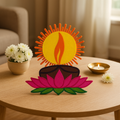
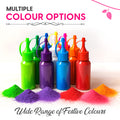
Chitrashila celebrates this heritage through its Granite Rangolis, Acrylic Rangolis, artistic ready-to-use Rangoli designs, wooden stencils, and fine Rangoli colour powders, allowing every household to keep this divine practice effortless yet authentic.
From the daily white Rangoli of Maharashtra to the floral Pookkalam of Kerala, Chitrashila brings India’s Rangoli spirit home - with the purity of colour and the touch of devotion.
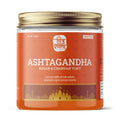
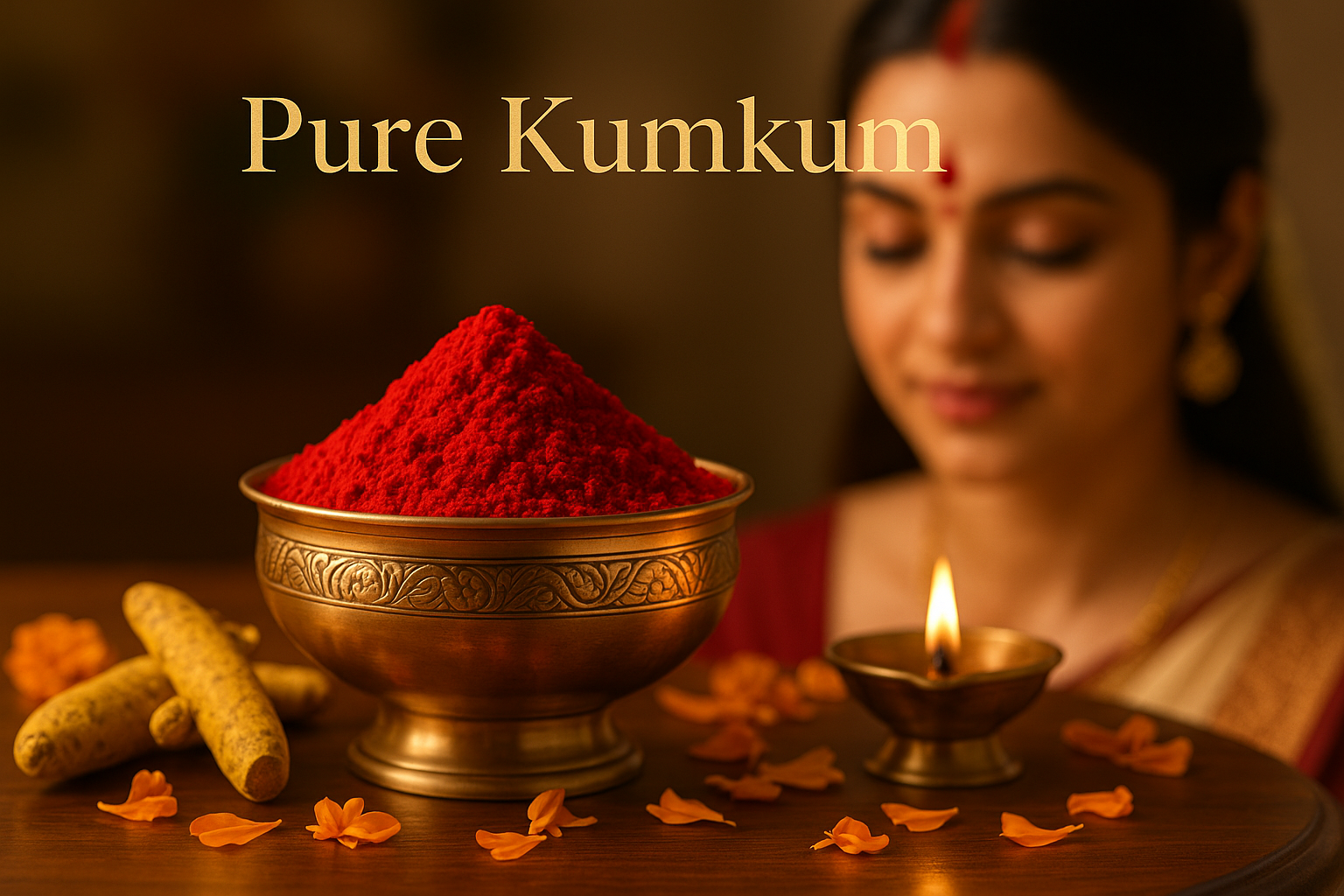
To complete your sacred space, explore Chitrashila’s Pooja Samagri range - Chandan, Kumkum, Kesar, Camphor, and Ashtagandha; created for those who value the essence of our living traditions.
Because when colours meet devotion, culture becomes art.

Leave a comment
This site is protected by hCaptcha and the hCaptcha Privacy Policy and Terms of Service apply.